显示标签为“Escream”的博文。显示所有博文

2021年4月28日星期三

【独家】低调搭乘手套股热潮 ES陶瓷拟今年转主板


Nanyang Tue, Apr 27, 2021 11:39pm - 16 hours ago


独家报道:谢静雯

(吉隆坡27日讯)全城追捧手套股,却忽略了手套业者的主要供应商。

专门生产橡胶手套模具的ES陶瓷(ESCERAM,0100,创业板)不仅业绩翻数倍,更已计划在今年内转到主板交易。

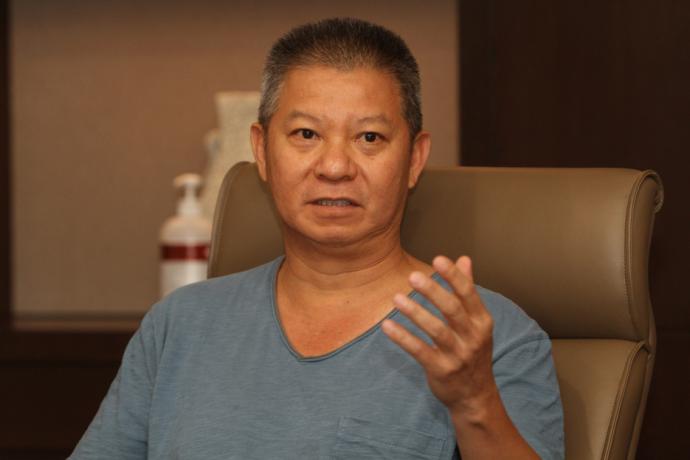
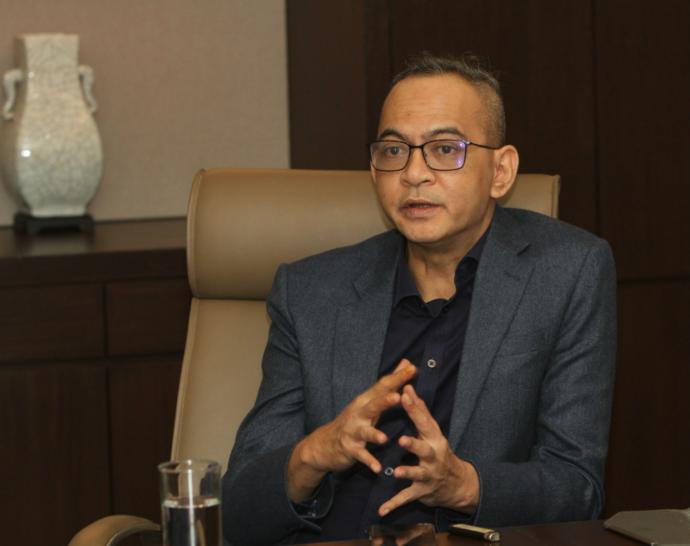
ES陶瓷执行董事兼总执行长黄福麟接受《南洋商报》独家访问时透露,该公司已经达到转主板的业绩条件,正在和顾问探讨转板事宜,相信会在今年完成。

根据大马交易所的要求,创业板公司需要在最新的3至5年取得2000万令吉的累计净利,最新财年净利达到600万令吉,才符合转板资格。

2019冠状病毒病带动手套需求,不仅原有生产商拼命扩大产能,也迎来许多新业者加入战场,ES陶瓷的手套模具需求跟着水涨船高。

单是在截至2月杪的2021财年第三季,该公司就取得846万7000令吉净利,按年大涨11.96%;首9个月净赚高达1568万令吉,年增4.81倍。

随着业绩表现出色,黄福麟相信,能在股息方面给股东更大的惊喜。

黄福麟

派息4仙

ES陶瓷刚在本周一(26日)宣布,为截至2021年5月31日的财年,派发每股4仙的单层股息,在下月10日除权,并于25日支付给股东。

根据年报,该公司自2016年来每年均有派息,在2019财年派出每股0.6仙,2020财年进一步提高至1仙。

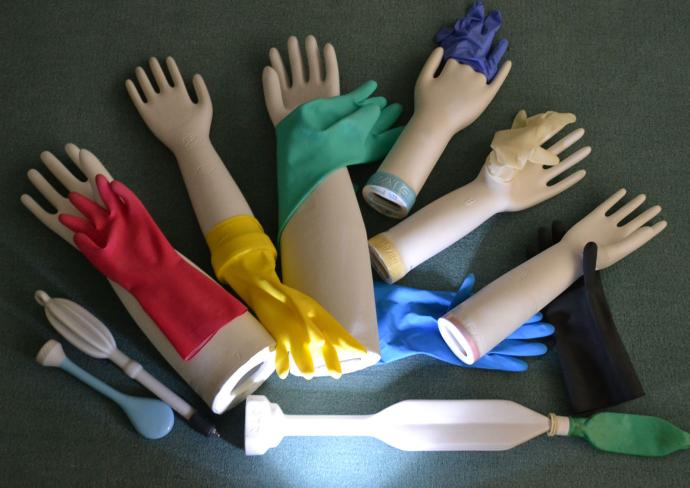
手套模具是手套厂在浸胶过程中的一种辅助模具,已有23年经验的的ES陶瓷可说是市场的“老招牌“,从一开始生产检测用手套的陶瓷模具,到如今在霹雳和泰国的工厂生产手术、家用、工业手套、气球等模具。

门槛高难有新业者

一场疫情让市场迎来更多新手套生产商,但在模具这一块,可不是“有钱“就能入市。

当提及“ES陶瓷是全球三强业者“时,黄福麟笑言:“不要被‘全球’吓到,这个领域非常小且利基,不是那么容易进入。在过去1年来,我们没有看见新的业者。”

他解释,或许5000万令吉的资本对很多商人来说不大,但陶瓷模具讲究的是技术和时间。

“试想想,这些模具都是要浸入到化学产品中,承受冷热温度交替,品质和耐用程度必须很强。现在手套业者都是全天候24小时生产手套,他们不想要容易破裂、被侵蚀的模具。”

因此,手套商的采购标准非常严格,即便新的模具生产商加入,也要先经过手套商的几轮测试、反馈和调整,一来一往相当耗时。

“通常1个模具能承受浸制1万只手套,或能耐12至15个月,谁能给予最好的品质、拉长使用时间,谁就是赢家。”

订单满至明年

ES陶瓷注重模具质量的稳定,23年的经验保证其品质和规模,在这场手套热潮中成为大赢家之一,来自主要客户的订单已满至明年。

根据黄福麟,该公司订单分两种,一种是来自主要客户,占最大部分。

另一种则是现货市场,两者价差甚至可高100%。

“这是因为许多新业者加入,当他们建好工厂,不得不从现货市场买更多模具,这为我们带来更高的赚幅。”

成本架构方面,原料和人力成本各占35至40%,而能源成本占10至15%。

ES陶瓷从5年前开始投资自动化,以逐步降低人力依赖和成本。

年底产能破百万

ES陶瓷先前在霹雳珠宝(Chemor)收购9英亩的土地打造新厂房,A栋预计7月中建竣,B栋则会在3至4个月后完成。

“新厂距离现有厂房大概10公里,完工后产能预计从每月45万至50万只,扩大至年底的100万只模具。”

他透露,目前大马的产量和销售量都已经超越泰国厂房,从上个季度开始,霹雳厂房的销售额占60%,随着手套需求大涨,这个比例可能很快达到70%。

霹雳工厂房以生产手套模具为主,而泰国厂房业务较多元。未来,ES陶瓷会继续探索生产其他陶瓷模具的商机。

该公司有来自法国技术伙伴COQUET的支持,后者在家用和工业模具上拥有逾50年的经验。

“兴建新厂的土地有9英亩,我们只用了3、4英亩,还能供未来业务多元化。陶瓷模具发展空间很大,只是在这1、2年内,我们还是会把所有的资源放在需求强劲的手套市场。”

2021年4月7日星期三

新策略大股东牵线 ES陶瓷携手阿都卡林有谱?


【独家】

独家报道:谢静雯

(吉隆坡29日讯)ES陶瓷(ESCERAM,0100,创业板)年初迎来两位土著大股东,都和商界红人拿督莫哈末阿都卡林关系密切,未来不排除 “牵线”,与后者庞大商业帝国共创新商机。

今年1月, Vintage资本的罗斯里哈马特收购ES陶瓷5.33%股权,崛为大股东;在市场仍在揣测新股东的影响时,公司3月初再宣布,罗斯兰奥斯曼加入,持股5.049%。

若是紧密关注世霸动力(SERBADK,5279,主板能源股)董事经理兼总执行长阿都卡林过去几年来的动向,可能对ES陶瓷这两位新股东毫不陌生。

均曾任职世霸动力

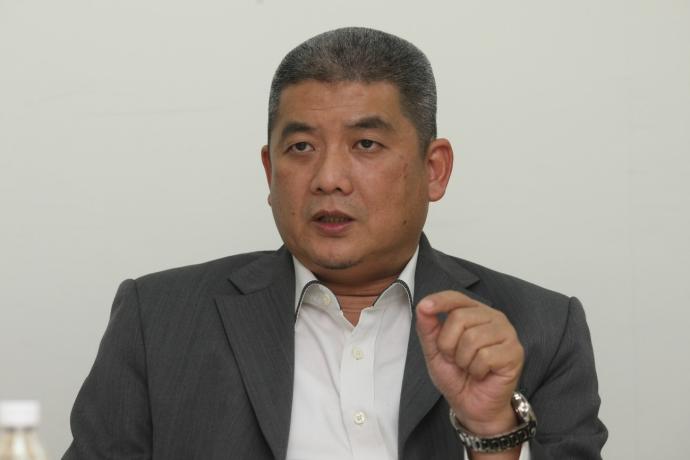
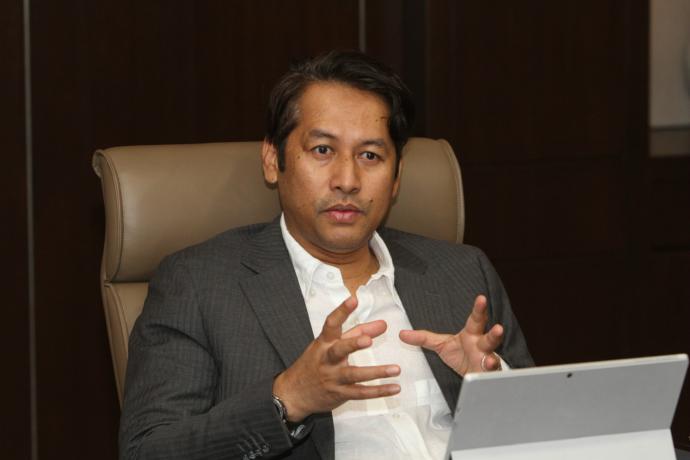
罗斯里接受《南洋商报》专访时说:“是的,我们都曾在世霸动力。我曾是投资部副总裁,罗斯兰是集团高级副总裁。离职后,我成立了Vintage资本。”

虽然罗斯兰是通过Vintage资本加入ES陶瓷,但他其实也是砂综合工业(SCIB,9237,主板工业股)现任集团董事经理兼总执行长,阿都卡林为非独立非执行主席。

阿都卡林是在2019年8月收购砂综合工业,同年10月再收购威立集团(KPOWER,7130,主板消费股),频频出手让他成为商界红人,动向备受市场关注。

朝工业4.0转型

谈及入股ES陶瓷的初衷,企业生涯始于玲珑集团(Renong)的罗斯里透露,这得追溯到1998年,当时他是财长机构(MOF Inc)旗下国民企业有限公司(PNS)一员,这个组织的宗旨是提高土着企业家参与上市公司中。

“所以,当我离开世霸动力后,我找来了当初的伙伴们,成立了新的私募基金公司Vintage资本,继续响应政府提高土著创业家的目标,投资到适合的企业上。”

罗斯里目前直接持股ES陶瓷6.47%,而罗斯兰直接持股4.51%,两人皆同时通过Vintage资本间接持股1.79%。

他形容遇见ES陶瓷如同“命运般的存在”,在政府鼓励企业界朝工业4.0转型,并频频针对制造业和科技业提供各种奖掖,ES陶瓷的特质正好是最佳的平台。

续由专业团队管理

“ES陶瓷拥有非常稳固的基本面,管理团队经验丰富,以核心的技术来制造专业的陶瓷模具,拥有高技术和高质量的产品,还有良好的商业模式,从原料供应到销售环节皆表现出色。”

陈家继续留守

另外, ES陶瓷去年底公告,持股逾20%的卡马尔·陈股权转移,儿子陈善光浮上台面,接手10.2%,成为大股东,其他股权分发给其他家人。

近10年没有接受过媒体专访的卡马尔·陈,不久前接受《南洋商报》专访时表示,只是将股权分配给家人,但陈家继续留守ES陶瓷,并让专业队伍继续管理。

研发新产品

ES陶瓷目前主要业务是生产手套摸具,而罗斯里和罗斯兰二人不仅看中当前大势个人防护设备(PPE)市场,拥有稳健且极强获利能力极强,还有陶瓷未来的发展潜力。

罗斯里说:“ES陶瓷现虽专注在手套市场,但接下来会与一些研究中心和机构在技术层面携手合作,发展多1至2个新产品。毕竟陶瓷的用途相当广泛,包括再生能源、建筑等。”

作为砂综合工业掌舵手的罗斯兰则透露,当初阿都卡林大肆收购多家公司,就是想要多元化事业版图,开发更多新产品。

或与砂综合工业合作

在他们研究了那么多家上市公司后,他形容ES陶瓷的商业模式和前景“干净且明确“,有机会能与砂综合工业进一步合作。

“我们内部有在讨论,需要科技和技术来发展新的产品和项目,未来不排除会让两者合作,借用双方的技术来达到协同效应。“

2021年3月24日星期三

ES Ceramics’ new shareholders remain unknown

 ES Ceramics Technology Bhd, which makes ceramic moulds for the rubber glove industry, appears to be in unknown hands given the company’s opaque shareholding.

In early November, Datuk Kamal Y P Tan disposed of two blocks of shares in ES Ceramics. On Nov 4, he hived off 48.25 million shares, or 10.49% of the company, followed by another 47.18 million shares, or 10.25%, the next day.

A month before that, Tan held 105.26 million shares, or 23.39% of ES Ceramics, following a bonus issue of 236.56 million shares with free warrants on the basis of one bonus share and warrant for every existing share held.

Although a month has passed since he sold the two blocks of shares, there has been no indication as to who acquired them, or if the new shareholders elected to break up the block of 20-plus per cent into blocks smaller than 5% to avoid disclosure.

As the transactions were not even captured on off-market trades on Bloomberg, the price at which Tan exited is not known. It is worth noting that he had been a substantial shareholder of the company for more than 12 years, or since September 2008, when he surfaced with 6.06 million shares or an 11.44% equity interest in ES Ceramics.

Given the current investment interest in rubber gloves and industries related to healthcare or its products, Tan’s disposal of the bulk of his shareholding is rather puzzling.

The Edge did not seek comment from ES Ceramics as the change is at the shareholding level and does not involve the company.

An industry observer notes that there is much speculation over who acquired the block, but adds that it is difficult to say for certain why no substantial shareholder has emerged.

A lot of the interest in ES Ceramics and its shareholding also stems from the sudden gains in its share price. For instance, the counter shot up more than 220% from late July to early August and by more than 50% in late September to early October. On both occasions, the surges were followed by swift falls.

The company’s second-quarter financial performance, which will be announced in January, is expected to be stellar, according to speculation.

ES Ceramics is an interesting company given the current craze over glove stocks and Covid-19-related counters. It has a plant in Kawasan Perindustrian Silibin in Ipoh, Perak, and another facility in Songkhla, Thailand. Its ceramic formers, described as ceramic moulds, are dipped into latex to manufacture rubber gloves, giving the gloves their requisite shape.

According to its website, ES Ceramics began operations in 1998 producing formers for examination gloves, but has since expanded into formers for surgical, household and industrial gloves and balloons, among others.

An industry veteran tells The Edge that each ceramic former has a lifespan and can be utilised for between 40,000 and 50,000 dips, depending on various factors.

A source puts ES Ceramics’ current production capacity in Malaysia and Thailand at about 400,000 formers a month, or 4.8 million formers a year. He says there is only a handful of players with scale that produce formers for rubber gloves. Apart from ES Ceramics — the only publicly traded rubber glove former company — the other players include CeramTec Innovative Ceramic Engineering (M) Sdn Bhd, MediCeram Sdn Bhd and FormTech Engineering (M) Sdn Bhd.

It is difficult to gauge the industry’s production capacity in relation to the manufacture of rubber gloves. But in an August filing with the local bourse pertaining to its bonus issue, ES Ceramics said, “MARGMA (Malaysian Rubber Glove Manufacturers Association) had projected the demand for rubber gloves to reach approximately 300 billion pieces in 2020 with an annual growth of 12%. However, the current outbreak of Covid-19 has resulted in a 100% surge in demand globally in the first few months of 2020.

“The world’s largest rubber glove producer (that is, Malaysia), which contributes nearly 63% of global supply, has revised its estimated supply to approximately 220 billion pieces in 2020 amid the current scenario, which is much higher than the previously estimated number of approximately 188 billion pieces.”

Based on the association’s figures, back-of-the-envelope calculations indicate an overall global demand of 349.2 billion pieces, or 58% higher than anticipated.

ES Ceramics’ financials have shown a marked improvement, albeit from a low base. For the three months ended August, it posted a net profit of RM3.2 million on the back of RM11.94 million in revenue. Earnings per share amounted to 1.5 sen. In the corresponding period last year, it made a profit of RM1 million on revenue of RM8.75 million.

As at end-August, its cash and cash equivalents amounted to RM26.78 million, with negligible liabilities. Retained profits were healthy at RM24.76 million and the company’s cash flow from operating activities for the three months ended August stood at RM3.64 million.

In notes accompanying its financials, ES Ceramics said the better results were “in tandem with the increase in revenue due to high demand for formers as well as improved production activities”. It added, “The prospects for growth in the rubber glove industry are positive as the industry is expected to continue to be driven by the growth in the global and domestic healthcare industry as one of the essential items in medical supplies.”

ES Ceramics closed at 49 sen last Thursday, which translates into a market capitalisation of RM225.4 million. Year to date, the stock is up more than 350%, a sizeable appreciation, prompting speculation and interest in the buyer of Tan’s block of shares.

2021年3月23日星期二

Escream


ES Ceramics’ new shareholders remain unknown

TheEdge Tue, Dec 15, 2020 05:00pm - 3 months ago


ES Ceramics Technology Bhd, which makes ceramic moulds for the rubber glove industry, appears to be in unknown hands given the company’s opaque shareholding.

In early November, Datuk Kamal Y P Tan disposed of two blocks of shares in ES Ceramics. On Nov 4, he hived off 48.25 million shares, or 10.49% of the company, followed by another 47.18 million shares, or 10.25%, the next day.

A month before that, Tan held 105.26 million shares, or 23.39% of ES Ceramics, following a bonus issue of 236.56 million shares with free warrants on the basis of one bonus share and warrant for every existing share held.

Although a month has passed since he sold the two blocks of shares, there has been no indication as to who acquired them, or if the new shareholders elected to break up the block of 20-plus per cent into blocks smaller than 5% to avoid disclosure.

As the transactions were not even captured on off-market trades on Bloomberg, the price at which Tan exited is not known. It is worth noting that he had been a substantial shareholder of the company for more than 12 years, or since September 2008, when he surfaced with 6.06 million shares or an 11.44% equity interest in ES Ceramics.

Given the current investment interest in rubber gloves and industries related to healthcare or its products, Tan’s disposal of the bulk of his shareholding is rather puzzling.

The Edge did not seek comment from ES Ceramics as the change is at the shareholding level and does not involve the company.

An industry observer notes that there is much speculation over who acquired the block, but adds that it is difficult to say for certain why no substantial shareholder has emerged.

A lot of the interest in ES Ceramics and its shareholding also stems from the sudden gains in its share price. For instance, the counter shot up more than 220% from late July to early August and by more than 50% in late September to early October. On both occasions, the surges were followed by swift falls.

The company’s second-quarter financial performance, which will be announced in January, is expected to be stellar, according to speculation.

ES Ceramics is an interesting company given the current craze over glove stocks and Covid-19-related counters. It has a plant in Kawasan Perindustrian Silibin in Ipoh, Perak, and another facility in Songkhla, Thailand. Its ceramic formers, described as ceramic moulds, are dipped into latex to manufacture rubber gloves, giving the gloves their requisite shape.

According to its website, ES Ceramics began operations in 1998 producing formers for examination gloves, but has since expanded into formers for surgical, household and industrial gloves and balloons, among others.

An industry veteran tells The Edge that each ceramic former has a lifespan and can be utilised for between 40,000 and 50,000 dips, depending on various factors.

A source puts ES Ceramics’ current production capacity in Malaysia and Thailand at about 400,000 formers a month, or 4.8 million formers a year. He says there is only a handful of players with scale that produce formers for rubber gloves. Apart from ES Ceramics — the only publicly traded rubber glove former company — the other players include CeramTec Innovative Ceramic Engineering (M) Sdn Bhd, MediCeram Sdn Bhd and FormTech Engineering (M) Sdn Bhd.

It is difficult to gauge the industry’s production capacity in relation to the manufacture of rubber gloves. But in an August filing with the local bourse pertaining to its bonus issue, ES Ceramics said, “MARGMA (Malaysian Rubber Glove Manufacturers Association) had projected the demand for rubber gloves to reach approximately 300 billion pieces in 2020 with an annual growth of 12%. However, the current outbreak of Covid-19 has resulted in a 100% surge in demand globally in the first few months of 2020.

“The world’s largest rubber glove producer (that is, Malaysia), which contributes nearly 63% of global supply, has revised its estimated supply to approximately 220 billion pieces in 2020 amid the current scenario, which is much higher than the previously estimated number of approximately 188 billion pieces.”

Based on the association’s figures, back-of-the-envelope calculations indicate an overall global demand of 349.2 billion pieces, or 58% higher than anticipated.

ES Ceramics’ financials have shown a marked improvement, albeit from a low base. For the three months ended August, it posted a net profit of RM3.2 million on the back of RM11.94 million in revenue. Earnings per share amounted to 1.5 sen. In the corresponding period last year, it made a profit of RM1 million on revenue of RM8.75 million.

As at end-August, its cash and cash equivalents amounted to RM26.78 million, with negligible liabilities. Retained profits were healthy at RM24.76 million and the company’s cash flow from operating activities for the three months ended August stood at RM3.64 million.

In notes accompanying its financials, ES Ceramics said the better results were “in tandem with the increase in revenue due to high demand for formers as well as improved production activities”. It added, “The prospects for growth in the rubber glove industry are positive as the industry is expected to continue to be driven by the growth in the global and domestic healthcare industry as one of the essential items in medical supplies.”

ES Ceramics closed at 49 sen last Thursday, which translates into a market capitalisation of RM225.4 million. Year to date, the stock is up more than 350%, a sizeable appreciation, prompting speculation and interest in the buyer of Tan’s block of shares.


==================================


独家】卡玛尔逾20%股权转给家人 陈氏家族没退出ES陶瓷

Nanyang Tue, Mar 23, 2021 10:09pm - 1 hour ago


独家报道:谢静雯

(吉隆坡23日讯)前阵子无预警脱售ES陶瓷(ESCERAM,0100,创业板)大批股权的拿督卡玛尔·陈澄清,他只是将股权转给家人,无意退出这家投资超过12年的上市公司。

“我只是把股权转移给孩子和家人,我们也不是要退出这家公司。”久未露面的卡玛尔·陈接受《南洋商报》独家访问时特别澄清。

现年69岁的卡玛尔·陈是在2009年加入ES陶瓷董事部,但在去年11月突然脱售20.74%的股权,卸下大股东的身分,但却未公布买家身分,引发市场热议陈氏家族是否退场,并揣测谁是新大股东。

继去年脱售大批股权后,卡玛尔·陈在今年1月29日,以58仙的价格收购了2500万股或5.43%的股权,但当天就将之转手卖出,让人一头雾水。同日,他的儿子陈善光以同样价位,收购了ES陶瓷4700万股或10.2%的股权,崛起为大股东之一,但还有一批股权没公佈接盘人身份。

卡玛尔·陈受访时强调说,那批没有持有人身分的股权,是落在陈善光以外的家人手上,并非转售给外人:ES陶瓷“没有市场揣测的新幕后股东”。

根据条例,上市公司需披露持股5%以上的股东身分。因此,ES陶瓷仅公布了持有10.2%的陈善光,未有公布其他持股权低于5%的陈氏家族成员。

既然股权转移给第二代,他们会参与公司运作吗?

不参与公司运作

“我们(陈家)不会参与任何ES陶瓷的运作,我们相信现有专业管理团队的能力,且会继续持有这家前景良好的公司。”

ES陶瓷专制陶瓷模具,尤其是橡胶手套模具。随着手套需求因2019冠状病毒病而暴涨,也带动了ES陶瓷的模具需求。

在最新公布的2021财年第三季财报中,该公司营业额按年飙升1.52倍至2260万8000令吉;净利更是大增11.96倍至846万7000令吉。

2021年3月16日星期二

Escream

 Very happy morning all at Esceramic Technology


And these are the salient factors:

1. Excellent result of 1,000% profit surge

2. Results shown are due to increasing ASP, payables received and cash upfront from new orders of hand molds.

This shows that Esceramic is involved with CASH Business with Good Paying Customers

3. As a result Cash position has jumped to Rm60 millions

4. With so much fresh sales Esceramic is doubling production from 500,000 hand formers to 1 million hand formers by adding two new factories -- making it the largest Glove Hand Formers manufacturer in the world

With factories located both in Thailand and Perak it will capture the lion share of glove hand Former business by both sales and services (hand formers life span ranges from 8 months to 15 months ) and are subjected to constant moving, dipping into chemicals and heating in ovens see https://www.youtube.com/watch?v=1-uH0KmgU_o

5. Sri Trang Thai Rm6.4 billion expansion till year 2026 will ensure lots of immediate business

6. Hartalega Rm7 billions expansion near Thai border will give long term 20 years demand

7. Thailand is now the bigger rubber producer on earth followed by Indonesia Malaysia in 3rd place

Japan, USA and Europe cannot compete in medical gloves because rubber trees cannot grow in their countries so they don't have fresh rubber latex . For Sri Trang Thai and Topgloves they have their own rubber plantations

8. That means that Esceramic is almost a sole monopoly and will have a long term edge in growth for many more years to come

2021年3月14日星期日

Escream


ES陶瓷第三季净赚847万

Nanyang Sun, Mar 14, 2021 12:04am - 11 hours ago


(吉隆坡13日讯)ES陶瓷(ESCERAM,0100,创业板)2021财年第三季,净利大增11.96倍,至846万7000令吉或每股1.82仙。

该公司日前向交易所报备,营收增加、产能提高及售价上涨,促使净利大幅提高;上财年同季净赚65万3000令吉。

第三季营业额报2260万8000令吉,比上财年同季的895万令吉,年涨1.52倍。

首9个月,营业额报5013万9000令吉,年扬88.13%;净利年涨4.81倍,至1568万令吉。

文告指出,由于各国政府为抵抗冠病疫情采取了各种封锁措施,导致全球商业环境出现负面影响,其中基本服务领域的供应链,更是受到重大的影响。

目前,该公司乐观看待橡胶手套业务,因为手套作为医疗不可或缺的用品之一,将继续受到全球和国内医疗行业增长的推动。

文告提及,该公司将继续贯彻现有商业策略,强化在业界的地位,并谨慎管理现金流。

周五闭市,ES陶瓷报81仙,起4仙或5.2%,成交量3158万6800股。

月产量料年底翻倍

另一方面,ES陶瓷目前每月生产介于45万至50万个手套模具,每个季度增产至少20%,月产量估计到年底可翻倍。

该公司建造中的两座工厂,一座会在7月建竣,另一座会在末季完工,届时,每月产量可增到100万个。

去年,全球手套需求约3600亿只,大马橡胶手套制造商会(MAGMA)估计,今年会再增长15%至20%,达到4200亿只,出口收入约达340亿令吉。

以一个模具寿命约产1万只手套就要替换来计算,全球手套模具每年的需求量达到4200万个,这还没包括新加入战场的新手套制造厂的需求。

2021年2月24日星期三

Baffling shareholding changes at ES Ceramics


This article first appeared in The Edge Malaysia Weekly, on February 15, 2021 - February 21, 2021.
Baffling shareholding changes at ES Ceramics

MARKET talk has it that ES Ceramics Technology Bhd may have a new substantial shareholder but details were scarce at press time. The recent shareholding changes at the company are perplexing, to say the least.

Filings on shareholding changes with Bursa Malaysia show that Tan San Kwang, son of ES Ceramics’ non-independent, non-executive director, Datuk Kamal Y P Tan, acquired 47 million shares or 10.2% in the company on Jan 29, for almost 58 sen per share or RM27.23 million.

Also on Jan 29, Kamal acquired 25 million shares (5.43%) at 58 sen per share (RM14.48 million) and sold it later in the day at the same price.

In a nutshell, Kamal via San Kwang acquired 10.2% in ES Ceramics, but also bought and sold another 5.43% in the company on the same day.

Kamal ceased to be a substantial shareholder in ES Ceramics in early November last year after selling 20.74% in the company. The question then was who the buyer was, as no new substantial shareholder controlling more than 5% equity interest surfaced — until now.

So, what is going on?

“It’s confusing, I don’t understand what’s happening,” one veteran market watcher says. Another seasoned market observer agrees that it does not make sense. “I don’t understand (enough) to comment on what he (Kamal) is doing.”

While all this has been going on, an individual, Rosli Hamat, has emerged as a substantial shareholder in the company after acquiring 24.55 million shares, or 5.33%, on Jan 27.

The notice that Rosli had become a substantial shareholder was made on Feb 4, the same day San Kwang surfaced and Kamal bought and sold the substantial stake in ES Ceramics.

Who is Rosli, and does he have any links to Kamal?

Another pressing question is why Kamal sold his 20.74% last November and, three months later, acquired a 5.43% stake only to sell it on the same day. And why didn’t he just transfer his shares to his son last November?

This is also a good time for ES Ceramics as its business is likely to boom. The company, which makes ceramic formers for rubber glove makers, has been among the beneficiaries of the Covid-19 pandemic.

This also raises questions as to why Kamal sold out of ES Ceramics in November when the company was likely to have a good run in earnings.

When he sold his stake then, ES Ceramics was trading at about 60 sen. Its share price shot up in late January this year, and climbed as high as 77.5 sen on Feb 8. It closed last Tuesday at 74.5 sen, translating into a market capitalisation of RM343 million.

ES Ceramics’ share price gained more than 220% in late July to early August last year. In late September to early October, it surged again, by more than 50%. On both occasions, the dips in the shares were as swift as the gains.

Attempts by The Edge to reach Kamal were unsuccessful.

Kamal’s assets

High-level executives of Singapore-listed Envictus International Holdings Ltd, for which Kamal is non-executive director and adviser, said it is difficult to contact him as he is “semi-retired”.

Companies under Envictus include Pok Brothers Sdn Bhd, which imports frozen foodstuff; Texas Chicken (Malaysia) Sdn Bhd and San Francisco Coffee Sdn Bhd.

A check with Envictus’ 2020 annual report indicates that as at Jan 11, 2021, Kamal and his brother Datuk Jaya J B Tan had 35.91% equity interest in the company. Envictus has a market cap in excess of S$31.65 million.

Envictus was previously known as Etika International Holdings Ltd, but changed its name after selling its dairy business in mid-2014 to Japan’s Asahi Group for more than RM1 billion.

Kamal has a 20.51% stake in Singapore-listed Lasseters International Holdings Ltd. He is a non-executive director of the company, which owns and operates a resort with gaming and hospitality offerings in Alice Springs, Northern Territory, as well as spa and wellness retreat businesses in Hunter Valley, New South Wales, in Australia, and a property development business in Malaysia.

Lasseters has a market cap of more than S$18 million.

The Edge also tried to reach Kamal through ES Ceramics, but did not get a response.

For the six months ended November last year, ES Ceramics registered net profits of RM7.21 million from RM27.53 million in revenue. Compared with the previous corresponding period, net profits were up by 253%, while revenue strengthened by 55.52%.

In notes accompanying its financials, ES Ceramics attributes the better numbers to “higher sales output from the additional production capacity due to strong demand of formers, improved production activities and higher selling price”.

As at end-November 2020, ES Ceramics had cash and cash equivalents of RM48.12 million and total debts of about RM230,000. It also had retained profits of RM26.59 million.

ES Ceramics has a plant in Kawasan Perindustrian Silibin, Ipoh, Perak, and another facility in Songkhla, Thailand. According to its website, the company was established in 1998, producing formers for examination gloves, but has since expanded to make formers for surgical, household and industrial gloves and balloons, among others.

A former is a ceramic mold, dipped into latex to manufacture rubber gloves, giving the glove the requisite shape.

The acquisition of this plant in Thailand by Kamal has resulted in legal disputes.

Longstanding dispute

In October 2019, a bankruptcy hearing against Kamal was advertised in a local paper, which The Edge understands has been disputed by him.

The creditor is Ong Yew Teik, the original owner of Thailand-based Euroceramic Technology Co Ltd (ECT), which Kamal acquired.

Ong is understood to have sold his 82.17% stake in ECT to Kamal for RM8.02 million in 2006 and based on court documents, he is claiming for the sum as it was purportedly not paid.

What is going on is unclear, as most would think that RM8 million is unlikely to leave a dent in corporate player Kamal’s coffers.

In mid-2008, Kamal and minority shareholders sold ECT to ES Ceramics for RM8 million cash. According to the circular to shareholders back then, his share of the RM8 million was RM6.57 million.

According to ES Ceramics’ announcements to Bursa Malaysia, the acquisition of ECT was concluded on Sept 15, 2008. Fillings with the bourse indicate that on Sept 29, 2008, Kamal acquired 6.06 million shares in ES Ceramics for an 11.44% stake in the company. In February the following year, he was appointed a non-independent non-executive director of ES Ceramics. By the time he was appointed to the board, he had accumulated 13.31 million shares or 25.13% in the company.

However, based on court documents, Ong is understood to be seeking financial compensation, and is not after Kamal’s stake in ES Ceramics. The question of Kamal selling assets, that is his shares in ES Ceramics, when bankruptcy proceedings have been initiated also adds intrigue to the mystery of the shareholding changes at ES Ceramics.